The Mark Journal
Why Bricks and Mortar Belong Beside Your Stocks
A closer look at how property, stocks, and bonds each carry their own weight, and why leaving one out can quietly unbalance everything you're building.

The Mark Journal
A closer look at how property, stocks, and bonds each carry their own weight, and why leaving one out can quietly unbalance everything you're building.
Ask ten financial advisors how much of a portfolio should sit in property and you'll get ten different answers. That's because real estate doesn't behave like a stock or a bond, and treating it like either one is where a lot of investors go wrong. Property has its own rhythm, its own set of risks, and its own kind of upside, which is exactly why it earns a spot in a well-built wealth strategy instead of sitting on the sidelines as an afterthought.
"Real estate isn't a replacement for stocks and bonds, it's a counterweight," says Michael Chen, senior wealth advisor at Zenith IM. That framing matters because the real question isn't whether property beats the stock market or loses to it over some arbitrary stretch of years. The question is what job you're asking each asset to do inside your portfolio, and how those jobs fit together over decades rather than over a single quarter's headlines.
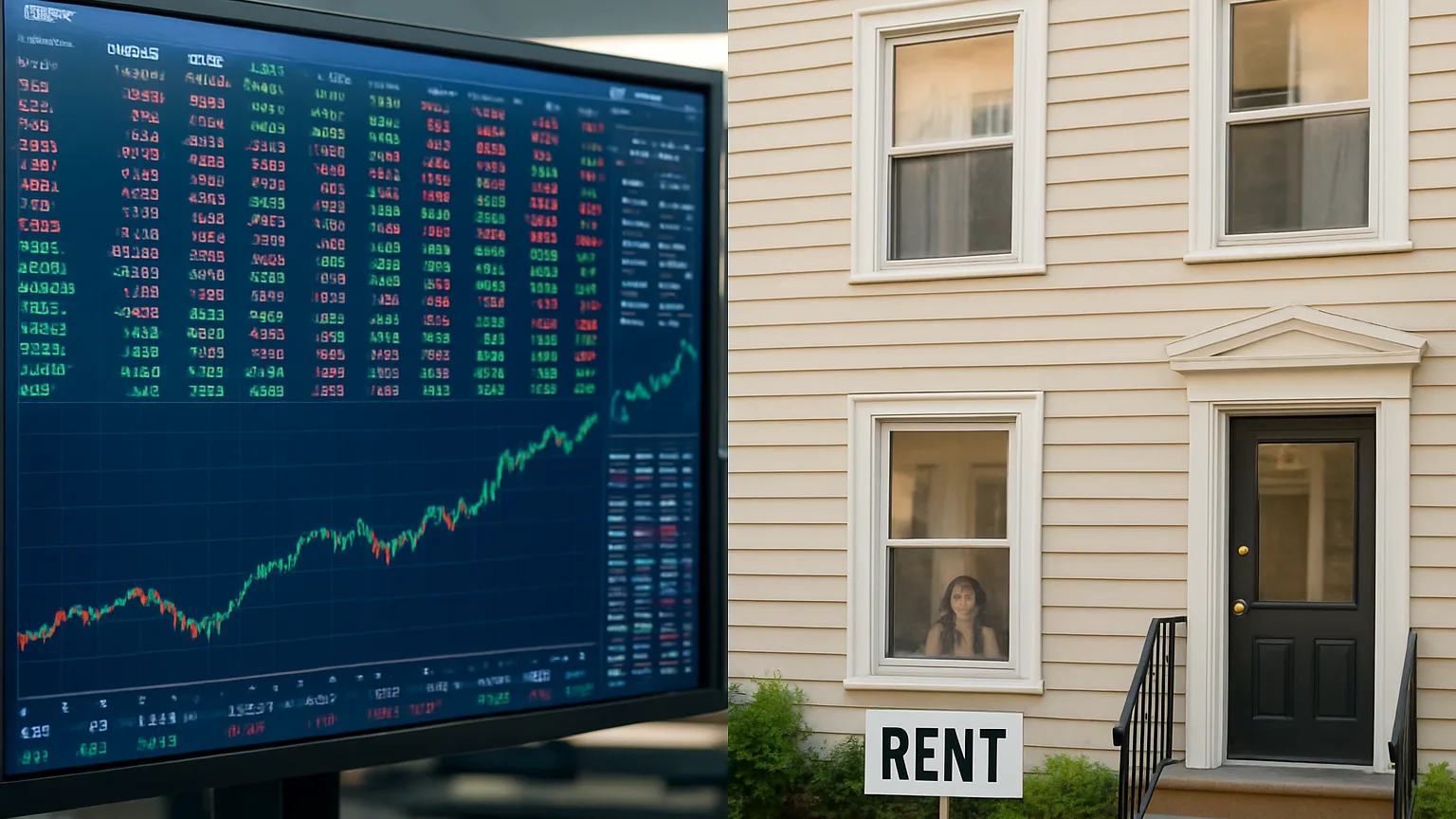
Stocks give you growth and volatility in the same package. Bonds give you steadier income with far less upside. Real estate lands somewhere in between the two, but it also brings something neither one offers on its own: a physical, usable asset that can produce income while it climbs in value at the same time. That dual nature is why property so often gets described as a hybrid asset class rather than a pure growth or income play.
This is also where rental property earns extra credit in a wealth plan. Owners who structure their holdings well can turn a single property into a repeating paycheck, which is a big part of rent check that quietly builds and one reason so many long-term investors treat rental income as the glue holding the rest of their portfolio together.
None of this means real estate is inherently safer than stocks or better than bonds. It means property moves to a different beat, and a portfolio built from assets moving to different beats tends to hold up better when any single market hits a rough patch.

The trade-off nobody skips when talking about real estate is liquidity. Selling a stock takes seconds. Selling a house takes months, sometimes longer, and comes with closing costs, repairs, and negotiations that eat into both your timeline and your returns. "That illiquidity is a feature, not a bug, for the right kind of investor," says Priya Anand, portfolio strategist at Zenith IM. That's the price of admission for an asset that doesn't get repriced every few minutes based on the day's news cycle.
This slower pace can actually work in an investor's favor. Because property can't be sold on impulse, it removes the temptation to panic-sell during a downturn, something that trips up even experienced stock investors during volatile stretches. The flip side is that your money stays tied up, so real estate should generally be funded with capital you won't need on short notice.
Appreciation is the other half of the equation, and it plays out differently depending on where and what you buy. A primary residence tends to track local market trends fairly closely, while investment property in a high-demand area can outpace that considerably, which is part of the appeal behind beach house that pays you for buyers chasing both lifestyle and long-term equity growth.
Property earns its place in a diversified portfolio not because it outperforms everything else, but because it doesn't move in lockstep with everything else. When stocks dip on a bad earnings season or bonds wobble with interest rate changes, real estate often keeps producing rent checks and holding its value, giving your overall net worth a steadier floor to stand on during the rough years.
The smartest approach isn't choosing real estate over stocks and bonds, it's figuring out what share of your wealth should live in each one based on your timeline, your need for quick cash access, and how much volatility you can stomach without losing sleep. Get that mix right, and property stops being just another line item and starts acting like the ballast that keeps your entire financial plan steady through every market cycle ahead.
Keep Reading


© 2026 The Mark Seattle. All Rights Reserved.