The Mark Journal
Why Bricks Belong Beside Your Stock Certificates

The Mark Journal
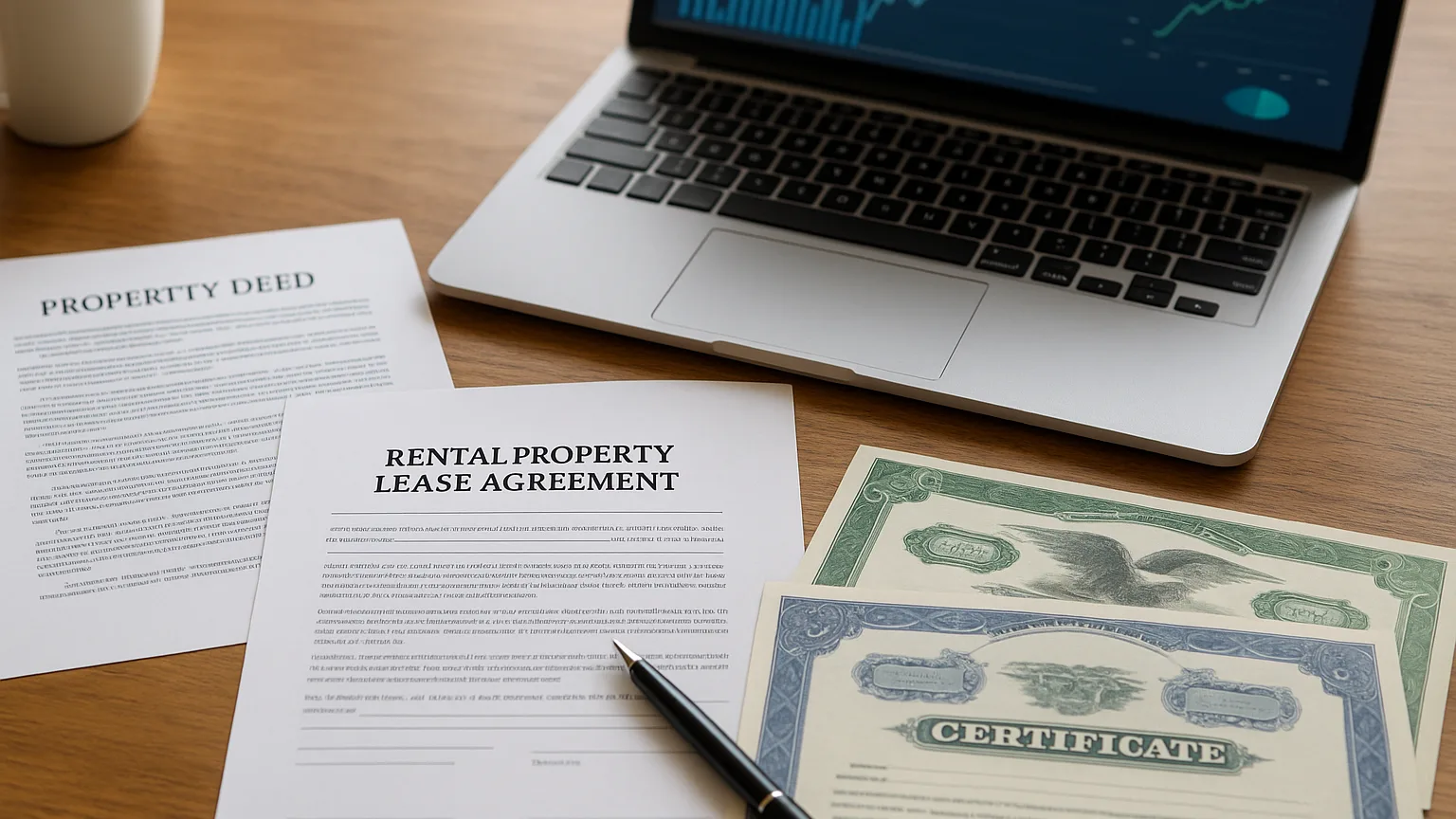
Ask ten different financial advisors what a strong portfolio looks like and you might get ten different pie charts. But almost every one of them will have a slice reserved for something you can actually walk through the front door of.
Real estate has always played a strange dual role in wealth building. It behaves like an investment on paper, yet it feels like a home, a rental unit, or a piece of land in real life. That mix of emotion and math is exactly why it deserves a closer look when you're deciding how to spread your money across stocks, bonds, and property.
This isn't about choosing real estate over the stock market. It's about understanding where each asset class earns its keep, so your money is working from more than one direction at once.

Stocks and bonds move on quarterly earnings, interest rate decisions, and headlines that shift by the hour. Property moves on a slower clock. A home or rental building doesn't reprice itself every time someone tweets something unexpected, and that steadiness is part of its appeal.
Real estate also tends to respond to different forces than paper assets. Local job growth, population shifts, and housing supply matter more to a property's value than a central bank meeting. Because of this, real estate often zigs when stocks zag, which is the entire point of diversification.
"People think diversification just means owning more things, but it really means owning things that don't all fall for the same reason," says Marcus Reyes, senior portfolio strategist at Zenith IM. "Property gives investors exposure to the physical economy in a way that a stock certificate simply can't."
Beyond the diversification angle, property brings a few practical advantages to a mixed portfolio:

Here's the part real estate enthusiasts sometimes gloss over. You can sell a stock in seconds and have cash in your account within a couple of days. Selling a house takes weeks or months, plus inspections, negotiations, and closing costs that quietly eat into your return.
This liquidity gap matters more than people realize when life throws a curveball. If you need cash quickly, a stock portfolio is far easier to tap than a rental property. That's not a reason to avoid real estate, but it is a reason to avoid putting every dollar you own into it.
A balanced approach usually means keeping enough liquid assets, cash, stocks, or bonds, to cover emergencies and short-term goals, while letting real estate work as a longer-term holding. Many investors find that rent check that works while helps offset the illiquidity, since rent checks arrive whether or not the property itself is easy to sell.
Think of it this way:
None of these asset classes wins on every measure, which is exactly why combining them tends to outperform betting everything on just one.
Keep Reading


© 2026 The Mark Seattle. All Rights Reserved.